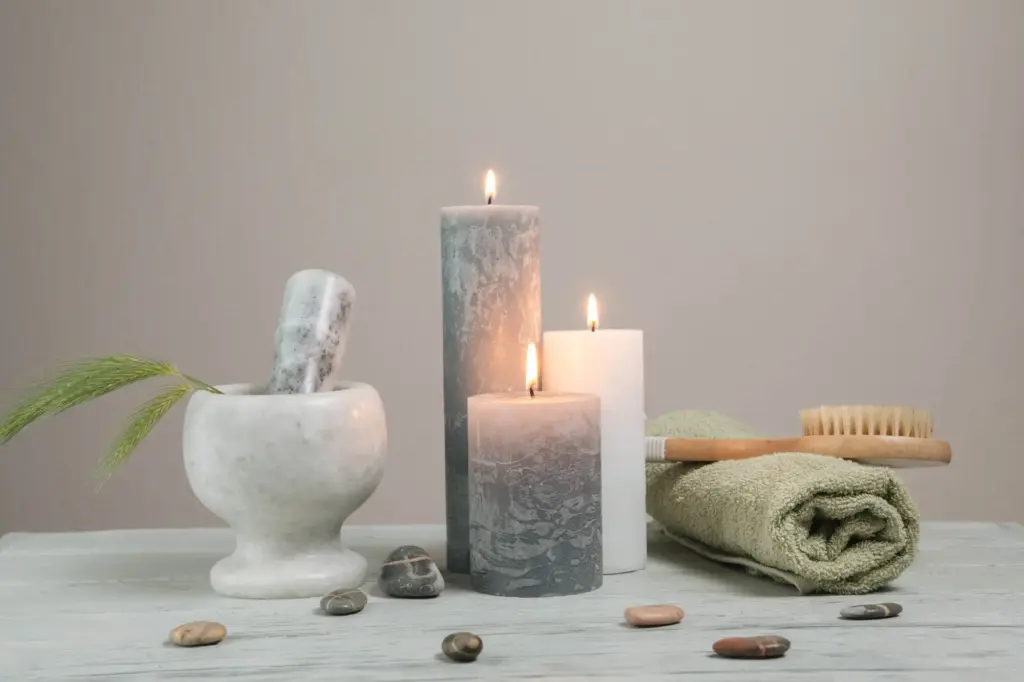
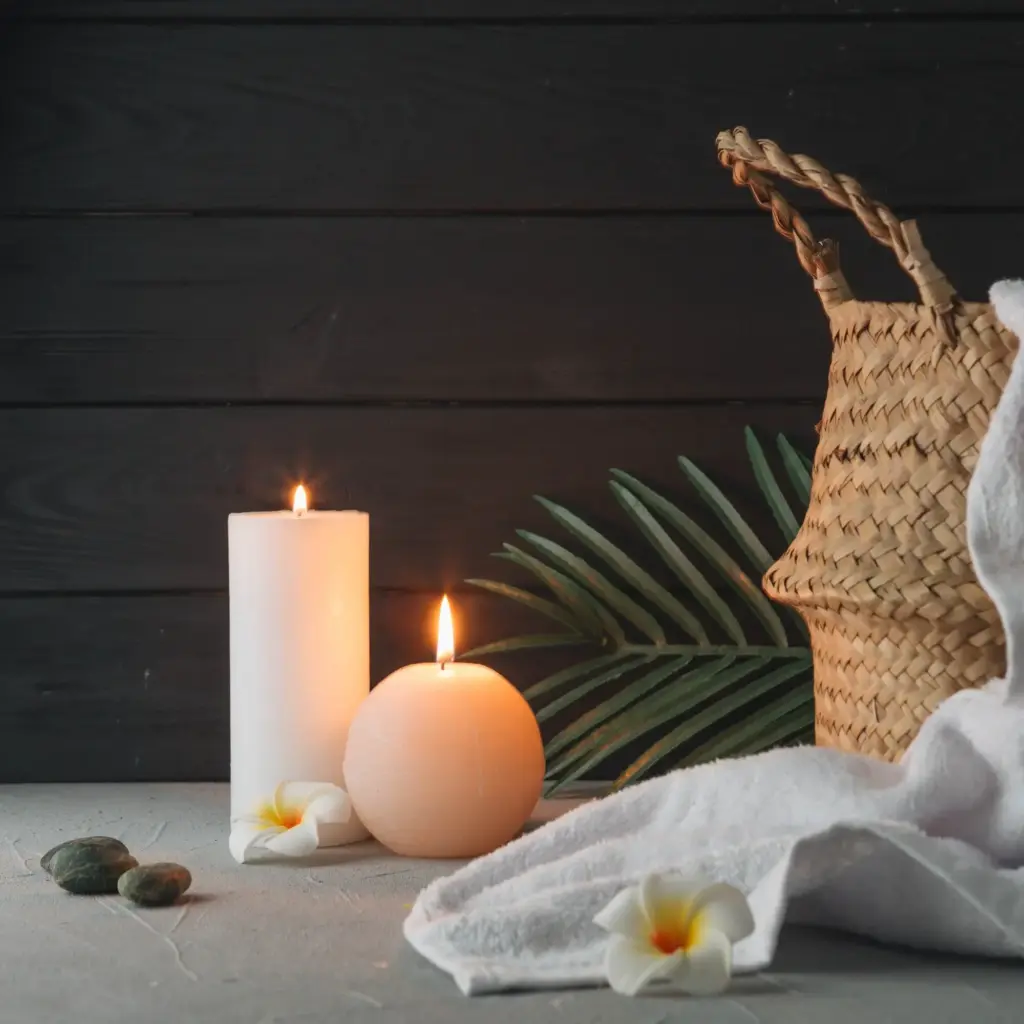
Kindle Stillness: Create a Soothing Meditation Nook with Handmade Candlelight
Today we explore setting up a meditation nook and lighting practices with handmade candles, uniting practical design with gentle ritual. You will learn how to choose a calm corner, position flames safely, select waxes and wicks, and weave light, scent, and breath into a steady, restorative rhythm you can return to daily, even when the world feels hurried and loud.
Grounding the Space
Begin by honoring where you sit, because the container shapes the experience. Seek a quiet edge of the room with minimal foot traffic, soft acoustics, and reliable ventilation. Consider how the flame will paint nearby surfaces, create flattering shadows, and invite your posture to lengthen without strain, while boundaries gently signal that this small area is for slowing down, breathing deeply, and listening inward.
Choosing the Corner
Look for a corner or alcove that naturally feels protected, with at least one solid wall behind you for psychological support. Notice daylight patterns across the week; candlelight pairs beautifully with low ambient levels. Ensure outlets and heaters are distant, windows can open safely, and pets or children cannot easily reach the setup. A breathable, quiet spot lowers vigilance and clears mental noise.
Surfaces and Supports
Select a stable, heat-resistant surface such as stone, ceramic, or thick hardwood, and test for wobble before lighting any wick. Add a natural-fiber mat for grounding and slip resistance. Use holders with wide bases and snug fits to prevent tipping. Consider a tray filled with sand or salt to stabilize vessels, catch wax drips, and visually frame your ritual like a simple, sacred stage.
Color, Texture, and Sound
Favor muted earth tones, soft textiles, and matte finishes that absorb glare so the flame becomes a gentle focal point rather than visual noise. Introduce natural textures—linen, cork, raw clay—to harmonize with quiet breathing. Reduce sharp echoes using a rug and cushion. Let the room whisper rather than shout, allowing every flicker to land on your senses like a small invitation to soften.

Handmade Candle Essentials
Materials shape mood, safety, and air quality. Different waxes burn at distinct temperatures, wicks influence flame height and sound, and fragrance decisions determine whether breathwork feels clean or heavy. By understanding wax composition, wick sizing, vessel dimensions, and scent thresholds, you can create candlelight that supports clear focus, calm respiration, and steady attention throughout your meditation, without irritating smoke or distracting brightness.
Lighting Rituals and Daily Rhythm
Ritual turns repetition into meaning. The way you arrive, light, and close your practice teaches your nervous system what to expect. A consistent sequence—prepare space, set intention, ignite, breathe, and extinguish mindfully—creates a cue-stacking effect. Align sessions with dawn or dusk to harness naturally low ambient light, and pair gentle candle glow with slow exhales that signal safety and encourage present-moment awareness.
Arriving and Lighting with Intention
Pause at the threshold of your nook. Place the candle, steady your breath, and strike the match slowly, noticing sulfur’s quick whisper. As the wick catches, name a quality you seek—clarity, patience, ease. Let your gaze soften, shoulders drop, and jaw unclench. The tiny flame becomes a metronome for unhurried inhales and longer, grounding exhales that welcome your mind back home.
Timing for Dawn, Dusk, and Focus
Early morning and evening carry gentle light that pairs beautifully with candle warmth, roughly 1800–1900 Kelvin. Avoid bright screens before or during practice to protect melatonin rhythm. Use a predictable duration—perhaps twelve unhurried minutes—to build reliability. If concentration wavers midday, one small flame can counter overstimulation, reintroducing parasympathetic tone through softened gaze, slower breath, and a calmer inner pace that endures afterward.
Safety, Care, and Longevity
Calm deepens when safety is unquestioned. Keep flammables distant, stabilize holders, and respect airflow. Maintain a clear radius around the flame, and never leave it unattended. Good habits—wick trimming, correct first burn, and routine cleanup—extend candle life, reduce soot, and protect indoor air. Approaching maintenance as part of mindfulness turns practical tasks into quiet gestures that safeguard your sanctuary and steady your attention.
Warm Color Temperature Calms the Nervous System
Compared with cool, blue-heavy light, the approximately 1800–1900 Kelvin glow of candles signals evening safety to the brain. Pupils relax, and the visual field softens. When your gaze rests on a warm halo, facial muscles unwind, breaths lengthen, and cognitive load lightens. This physiological easing supports introspection without strain, making silence feel welcoming rather than empty, and guiding thoughts to settle naturally.
Soft Flicker Nudges Attention Inward
Subtle variations in flame height create a rhythmic, low-frequency flicker that gently captures attention without overwhelming it. This micro-movement offers something alive to witness, inviting present-moment noticing. If you are prone to overstimulation, one small flame is enough. Those sensitive to flicker should sit slightly off-axis to reduce intensity, preserving the calming effect while honoring comfort and steadying awareness through kind, spacious observation.
Personal Touches and Community
Your nook should feel unmistakably yours. Hand-poured candles carry fingerprints of care, and small objects can embody values without cluttering attention. Seasonal adjustments keep the space alive. Sharing your process—successes, missteps, and insights—strengthens accountability and inspires others. Invite conversation, ask questions, and trade photos or playlists, so collective wisdom refines everyone’s practice and keeps the ritual fresh, loving, and courageously consistent.